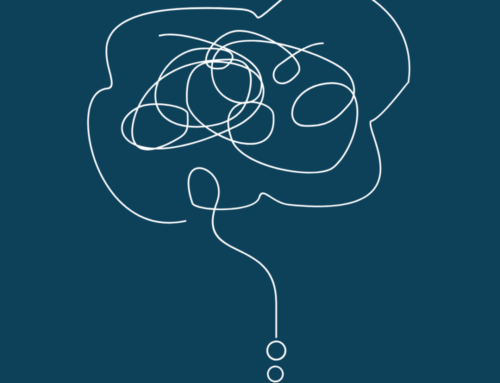

When depression, anxiety, trauma, or chronic stress keep returning, it can feel like the brain is stuck in the same pattern. Some people try therapy, medication, lifestyle changes, or years of hard work and still feel like their mind will not loosen its grip. For patients in Milwaukee who feel caught in that cycle, ketamine mental health treatment may offer a different path forward.
At VIVA Ketamine Infusion Center of Milwaukee, we use medically supervised IV ketamine therapy to support people who have not found enough relief through traditional options. Ketamine is being studied and used in clinical settings for its rapid effects on mood, emotional processing, and brain adaptability, especially in people with treatment-resistant depression and other mental health concerns. Research suggests that ketamine may affect glutamate activity and support neuroplasticity, which is the brain’s ability to form and strengthen new connections.
How Ketamine Therapy May Help the Brain Shift Out of Stuck Patterns
Ketamine mental health treatment may help the brain move away from rigid patterns tied to depression, anxiety, PTSD, and chronic stress. It works differently from many traditional medications by influencing glutamate, a brain chemical involved in learning, mood, and the connection between brain cells. This may create a window where the brain becomes more open to new thought patterns, emotional relief, and healthier responses.
Why Mental Health Symptoms Can Become Hard to Break
Mental health conditions can affect more than mood. They can change how the brain reacts to stress, stores fear, processes negative thoughts, and responds to daily life. Over time, the same painful patterns may become easier for the brain to repeat.
This can show up in real ways. A person may wake up with a heavy feeling before the day begins. Someone with trauma may react strongly to situations that remind them of the past. A person with depression may understand what they “should” do but still feel unable to move forward.
These patterns are not a sign of weakness. They are often tied to how the brain has adapted under stress, pain, or long-term emotional strain. When the brain keeps using the same pathways, healing can feel slow or out of reach.
Ketamine therapy is different because it does not depend only on the same pathways as many common antidepressants. While many medications target serotonin or related systems, ketamine acts on the glutamatergic system, which plays a key role in communication between brain cells.
How Ketamine Mental Health Treatment Supports Neuroplasticity
Neuroplasticity means the brain can change, adapt, and form new connections. This matters because many mental health conditions are linked to patterns that feel fixed. Ketamine may help support the brain’s ability to create new pathways, making emotional change feel more possible.
Research has linked ketamine to synaptogenesis, the creation of new connections between nerve cells. Studies have also looked at how ketamine may affect brain areas involved in mood, memory, and emotional regulation.
For patients, this does not mean one infusion “fixes” everything. It means ketamine may help create a period where the brain is more flexible. During that time, therapy, healthier routines, better coping tools, and supportive care may become easier to use.
This is why we view ketamine treatment as part of a larger healing process. The infusion may help open the door, but the care around it helps patients make meaningful use of that shift.
What Patients Mean by a “Brain Reset”
The phrase “brain reset” does not mean wiping away memories or changing who someone is. It refers to a shift in how the brain responds to old patterns.
For some people, that may feel like a break from constant negative thoughts. For others, it may feel like more space between a trigger and a reaction. Some patients describe feeling less weighed down, more open, or more able to engage with therapy and daily life after treatment. Ketamine’s effects can happen faster than many traditional antidepressants for some patients. Research has found that subanesthetic IV ketamine may reduce depressive symptoms quickly in certain people with major depression, sometimes within a day.
That speed is one reason ketamine has become an important option in mental health care. Still, results vary. Treatment should always be guided by a qualified medical team that reviews health history, current medications, goals, and safety factors.
Ketamine Therapy vs Traditional Mental Health Medication
Traditional antidepressants often take several weeks to build effect. They can be very helpful for many people, but they do not work well enough for everyone. Some patients try several medications and still feel stuck.
Ketamine therapy is different in a few key ways. It is given in a monitored clinical setting, often through IV infusion. It works on different brain pathways than many standard medications. It may also create a shorter-term period of brain flexibility that can support emotional processing and behavior change.
This does not mean ketamine replaces therapy, medication, or long-term mental health care for every person. For some patients, it may work best alongside their current care plan. For others, it may be considered after other treatments have not brought enough relief.
It is also important to understand that ketamine is FDA-approved as an anesthetic, while its psychiatric use is considered off-label. Esketamine, a related medication, has FDA approval for certain forms of treatment-resistant depression. Because of this, IV ketamine therapy should be provided with careful medical oversight.
When Ketamine Treatment May Be Worth Considering
Ketamine therapy may be worth considering when mental health symptoms keep affecting daily life even after other forms of care. This may include people who have tried traditional antidepressants, talk therapy, lifestyle changes, or other support without enough improvement.
It may also matter when symptoms make it hard to function at work, stay present with family, sleep well, or feel emotionally steady. In Milwaukee, we often speak with people who have carried stress, depression, anxiety, or trauma responses for years and are looking for a medically guided option that feels different from what they have already tried.
Ketamine may not be the right choice for everyone. Certain medical conditions, medications, substance use concerns, or safety risks may affect whether treatment is appropriate. A consultation helps determine whether IV ketamine therapy fits the person’s needs and health history.
Who May Benefit From Ketamine Therapy
Ketamine treatment may be a fit for adults who feel trapped by symptoms that have not improved enough with standard care. This can include people living with depression, anxiety, PTSD, chronic stress, or mood concerns that interfere with daily life.
It may be especially relevant for someone who says, “I have done the work, but I still feel stuck.” It may also help people who understand their patterns but cannot seem to shift how their body and mind react.
At VIVA Ketamine Infusion Center of Milwaukee, treatment is handled in a professional clinical setting. Patients are monitored throughout their infusion, and the experience is guided with care, safety, and respect. VIVA’s patient education explains that ketamine therapy involves IV infusions at subanesthetic doses for people struggling with concerns such as depression, anxiety, PTSD, chronic stress, and other mental health conditions.
Why Medical Supervision Matters for Ketamine Care
Ketamine therapy is commonly used in clinical mental health settings for patients who need another option after traditional treatment has fallen short. It is trusted in the field because it is supported by growing research, controlled dosing, and careful monitoring when provided by trained medical teams.
The setting matters. A clinic should review medical history, explain what to expect, monitor vital signs, and help patients understand how treatment fits into their larger care plan. This is part of what makes professional ketamine therapy different from unsafe or unmonitored use.
For many patients, trust comes from clear information, a calm setting, and a care team that takes mental health seriously and with compassion.
Take the Next Step Toward Mental Health Relief in Milwaukee
Healing often starts when the brain has room to respond differently. Ketamine mental health treatment may support that shift by helping the brain move away from stuck patterns and become more open to new connections, new coping tools, and deeper emotional relief.
For people in Milwaukee who have tried other options and still feel weighed down by depression, anxiety, trauma, or chronic stress, VIVA Ketamine Infusion Center of Milwaukee offers medically supervised care in a supportive clinical setting. Reach out to our team to learn whether ketamine therapy may be a good fit for your next step.